Buying or selling a home is a significant financial move, and while aesthetics often take the spotlight, the real value of a property exists beneath the surface area. That's where residential home inspections been available in. These specialist assessments function as an important action in the property procedure, supplying understandings that protect financial investments and make certified home inspectors certain peace of mind.
What Are Property Inspections?
A house assessment is a detailed, non-invasive evaluation of a home's major systems and architectural integrity. Conducted by a qualified examiner, this procedure covers every little thing from the foundation to the roof, ensuring that the building is secure, useful, and devoid of significant defects.
These inspections are usually executed prior to a building adjustments hands, offering customers and sellers a clearer understanding of its condition. Whether it's a freshly constructed home or an older structure, a proper examination identifies issues that may or else go unnoticed.
Why Homebuyers Need to Never Avoid an Inspection
When emotions run high during the home buying procedure, it's appealing to rush through the steps to protect the desire home. However, avoiding a residential property assessment might result in severe remorse. Hidden plumbing leaks, malfunctioning wiring, or fundamental splits can turn a desire home into a financial nightmare.
An expert evaluation offers customers the possibility to renegotiate or ask for repair work before shutting. It's a proactive approach that assists prevent future surprises and outfits customers with the knowledge to make enlightened decisions.
Inspections for Vendors: A Calculated Advantage
While evaluations are generally related to customers, vendors likewise benefit from carrying out one before listing their building. A pre-listing examination allows the house owner to recognize and deal with issues beforehand, boosting the home's presentation and minimizing the possibilities of final settlements or deal-breakers.
This openness constructs trust fund with potential buyers and can also validate a greater asking rate. In today's competitive market, a seller who offers examination paperwork upfront shows honesty and preparedness-- top qualities that bring in serious buyers.
What Does a Residential Evaluation Cover?
- Structural elements: structure, wall surfaces, ceilings, floors, and roofing system structure Roofing system: tiles, blinking, gutters, and ventilation Electrical system: electrical wiring, circuit breakers, electrical outlets, and fixtures Plumbing: pipes, water heaters, fixtures, and drainage HVAC systems: heating systems, air conditioning systems, ductwork, and thermostats Interior and exterior conditions: siding, doors, home windows, insulation, and noticeable mold or pests
After the inspection, a comprehensive record is given, frequently including pictures and notes on flaws or upkeep problems. This record ends up being a crucial device for arrangement or future upkeep.

The Significance of Choosing the Right Inspector
Not all assessors use the same degree of service. Picking a licensed, skilled expert makes sure that the evaluation is performed extensively and ethically. Examiners should have a keen eye for detail, updated training, and a commitment to client education.
Companies like Cornerstone Home Inspectors are known for offering trusted, comprehensive residential property assessments. Their group aids clients browse property choices with confidence, thanks to years of hands-on experience and an enthusiasm for high standards.
Modern Tools Make a Difference
Today's examiners make use of sophisticated devices such as infrared thermography, dampness meters, and drones to find concealed concerns that are invisible to the nude eye. These tools boost the precision of examinations, ensuring that no corner of the building is overlooked.
By integrating technology right into the procedure, assessors can offer even more thorough understandings, helping clients understand the full scope of a home's problem prior to making decisions.
Common Issues Found During Residential Inspections
- Roof leakages or worn shingles Outdated or dangerous electrical systems Leaky pipes or water heater problems Poor insulation or ventilation Foundation splits or settlement Mold or dampness damages in basements and creep spaces
By resolving these issues early, both buyers and vendors can stay clear of expensive surprises down the road.
Conclusion: Understanding is Power
In the world of property, info is everything. Residential property inspections provide the understanding required to make sound decisions, stay clear of concealed mistakes, and guarantee that homes are risk-free and livable for years to come.
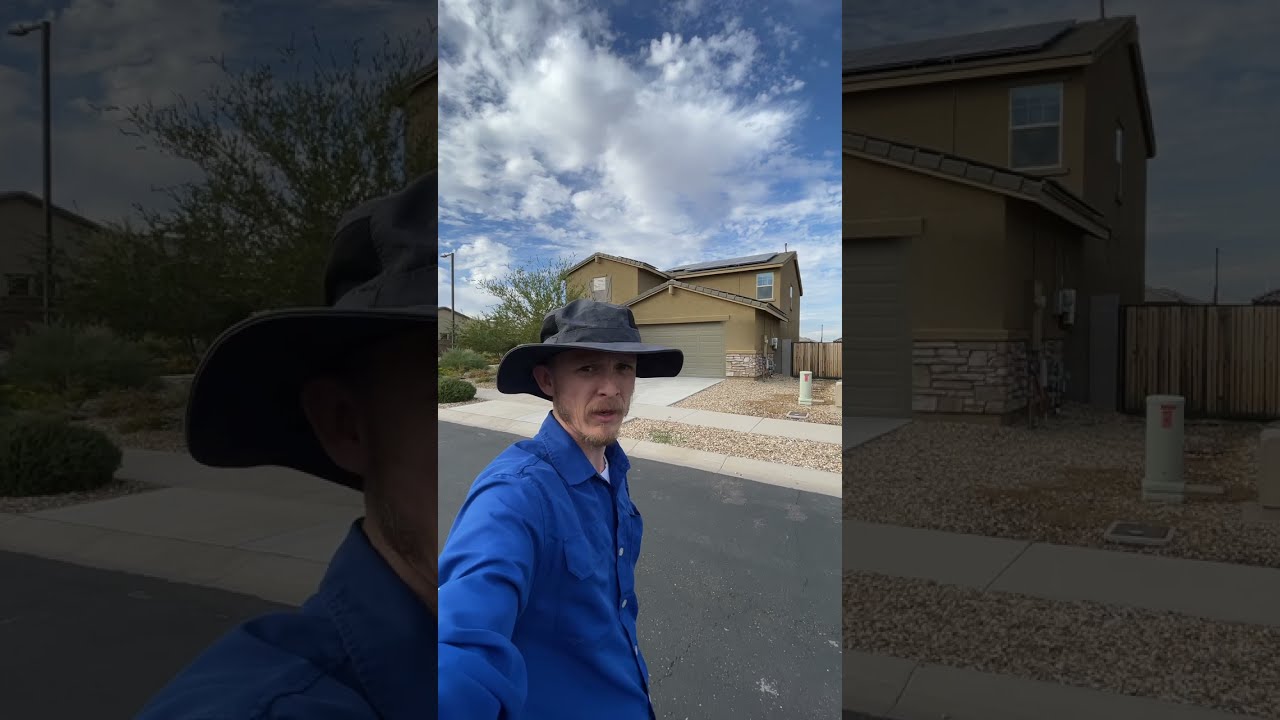
Whether acquiring a very first home, marketing a longtime house, or investing in a residential or commercial property, an assessment is greater than simply a box to check-- it's a vital component of securing one's financial investment. By collaborating with a trusted examination group, home owners get the quality and self-confidence they require to move forward with tranquility of mind.